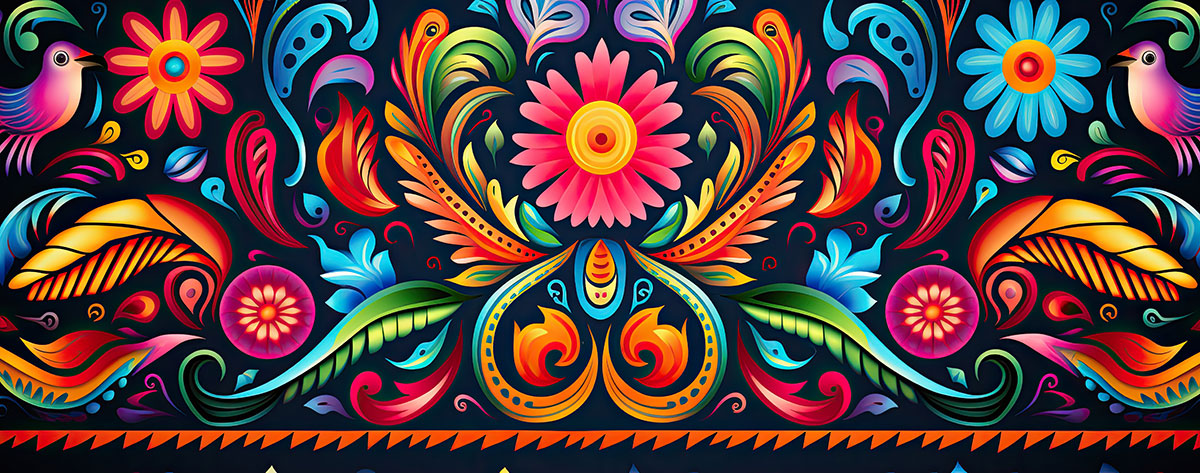
I have always been drawn to art that carries meaning beyond the surface. Huichol art is one of those rare forms that does exactly that. It is visually striking, full of color and intricate patterns, but its value goes far beyond appearance. Each piece tells a story, reflects spiritual beliefs, and connects the present to generations of tradition. Exploring Huichol art has been a journey of discovery, learning, and appreciation for culture that is deeply rooted in history.
The Roots of Huichol Art
Huichol art originates from the Huichol people of western Mexico. For centuries, they have used art as a way to communicate with the spiritual world, preserve history, and honor their traditions. The designs are not random. Each symbol carries meaning, representing nature, deities, rituals, or aspects of daily life. The art is a living record of culture, a visual language that has survived despite the pressures of modern life.
The more I learned about Huichol art, the more I realized how important context is. Without understanding the stories behind the patterns, it is easy to admire the beauty of the work but miss the depth of its meaning. Every bead, yarn stitch, or painted design carries significance that has been passed down for generations.
Symbols and Spiritual Meaning
One of the most fascinating aspects of Huichol art is the symbolism. Animals, plants, and geometric shapes are used to convey spiritual and cultural messages. For example, the deer is considered sacred and often appears as a messenger between humans and the gods. Corn symbolizes life and sustenance, and the peyote cactus represents spiritual guidance.
I find that learning these symbols changes the way you look at the art. A piece is no longer just visually pleasing. It becomes a story, a reflection of values, and a connection to rituals that are still practiced today. Every time I study a design, I discover new layers of meaning that deepen my respect for the tradition and the people who create it.
The Ritual Behind the Art
Creating Huichol art is not simply a craft. It is a ritual. Many pieces are made as offerings or as part of ceremonies that honor ancestors, nature, and the divine. The process is meditative, and the act of creating is considered a spiritual practice in itself.
I have had the privilege of observing artisans at work. The dedication and patience required are remarkable. Hours, sometimes days, are spent carefully placing each bead or weaving each thread. This attention to detail reflects not only skill but devotion. It is a reminder that art can be a bridge between the material world and the spiritual, connecting creator, observer, and tradition.
Contemporary Practice
While deeply traditional, Huichol art has also evolved. Contemporary artists are experimenting with new materials, scales, and presentation methods while maintaining the symbolic core of their culture. Some create large installations for galleries, while others adapt designs into jewelry or mixed-media pieces.
I appreciate this balance between tradition and innovation. It shows that culture is alive, not frozen in time. Artists are able to honor their heritage while making it accessible and relevant to a wider audience. For someone like me, who values both cultural preservation and creative exploration, this contemporary approach makes Huichol art even more inspiring.
Learning From the Art
Huichol art has taught me patience and attention to detail. Observing the meticulous work of artisans reminds me that meaningful creation takes time. It also emphasizes the importance of understanding context and history. A piece is not just an object. It is a story, a record, and a form of communication that transcends generations.
I have also learned that true appreciation requires humility. As an observer or collector, it is important to respect the traditions and values embedded in the work. Understanding symbolism, learning about rituals, and acknowledging the cultural significance enhances the experience far beyond aesthetic enjoyment.
Connecting With Culture
One of the most rewarding aspects of exploring Huichol art is the connection it creates. It links me to a culture that has preserved its identity despite outside pressures. It connects me to the people who continue these traditions, ensuring they are passed on. And it allows me to reflect on my own heritage and the ways in which art carries meaning in every culture.
For me, collecting or studying Huichol art is not about decoration or trend. It is about connection, respect, and education. Each piece serves as a reminder that creativity can be a vessel for spiritual and cultural continuity.
A Living Tradition
Huichol art is alive. It is not a museum artifact or a relic of the past. It is made every day, celebrated, and passed along. For those willing to learn and listen, it offers lessons in storytelling, symbolism, and the importance of preserving culture.
The more time I spend with Huichol art, the more I appreciate the care, devotion, and knowledge embedded in each work. It is a testament to human creativity, the power of ritual, and the ability of art to connect us across time and space. Exploring it has enriched my understanding of culture, deepened my appreciation for tradition, and inspired me to seek meaning in the creative expressions around me.