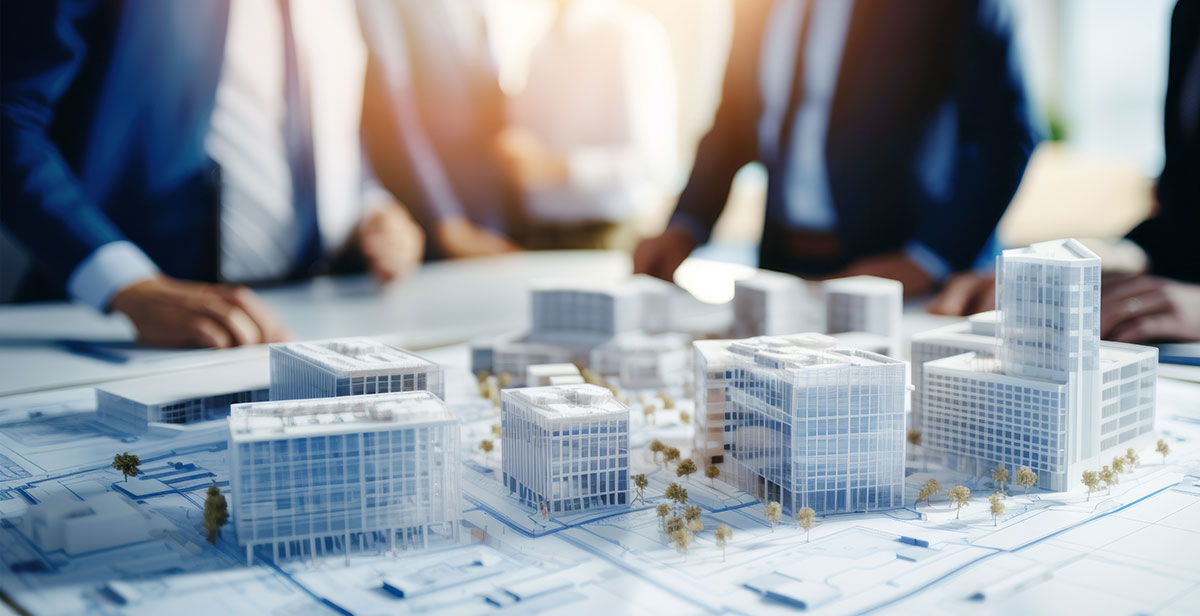
Real estate has always fascinated me, not just as an investment, but as a way to shape communities and create lasting impact. Growing up in Mexico City, I saw how neighborhoods evolved over time, how buildings and streets could define the character of a place. As I continued my education in real estate development and housing, I began to understand that successful projects are about more than just buying and selling property. They are about building value that lasts, both financially and socially.
Understanding the Foundations
At its core, real estate development requires careful planning and insight. You need to understand the market, the demographics, and the potential for growth. But beyond numbers and trends, you must also consider how a development affects the people who live there. A building is more than walls and floors; it is part of a neighborhood ecosystem. Schools, public spaces, transportation, and local businesses all contribute to the overall value of a project. When these elements are considered thoughtfully, a development can enhance quality of life and create long-term returns that go far beyond the initial investment.
For me, the most exciting projects are those that balance financial viability with social responsibility. It is not enough to construct housing or commercial space. The goal is to build something that adds to the community, respects its history, and meets the needs of its residents for years to come.
The Role of Market Insight
Real estate is an ever-changing landscape. Economic trends, population shifts, and regulatory changes can all affect the value of a project. Staying informed is essential. This means not only studying market data but also listening to the community and learning from those who know it best. Developers who ignore these factors often miss opportunities or create projects that do not resonate with the people they are meant to serve.
I have found that a combination of research and observation provides the strongest foundation for decision-making. Understanding the numbers is critical, but so is understanding the human element. The two together guide investments that are sustainable and meaningful.
Long-Term Thinking
One of the biggest lessons I have learned in real estate is the importance of long-term thinking. Quick profits may be tempting, but projects that focus solely on short-term gain rarely stand the test of time. Successful development requires patience and a vision for how the property will evolve over years or even decades.
Long-term strategy also means anticipating changes in the market and the community. Urban growth can shift the value of a property, and thoughtful planning allows developers to adapt to these changes. A building that serves its purpose today may need updates or renovations in the future, and planning for that eventuality is part of building true value.
Integrating Urban Growth
Urban growth is one of the most dynamic forces affecting real estate. Cities are constantly changing, and developers who understand this can create projects that contribute to that evolution in a positive way. Integrating a development with transportation options, green spaces, and commercial areas not only makes it more attractive to residents and businesses but also strengthens the surrounding neighborhood.
I am particularly interested in projects that rejuvenate underdeveloped areas. Bringing housing, retail, or mixed-use developments to a neglected part of a city can revitalize the community and increase overall property value. But it must be done thoughtfully to respect existing residents and avoid displacing communities. Urban growth is not just about construction; it is about creating harmony between new developments and the existing urban fabric.
Building Relationships
Real estate is a people business as much as it is a financial one. Relationships with investors, architects, city officials, and residents can determine the success of a project. Trust and transparency are essential. A development that meets financial goals but alienates the community is ultimately unsuccessful.
I have learned that communication is key. Listening to concerns, sharing plans clearly, and collaborating with stakeholders creates a foundation of trust that benefits everyone involved. A project supported by the community is more likely to thrive and maintain its value over time.
Lessons for the Future
Working in real estate has taught me patience, strategic thinking, and the importance of seeing the bigger picture. It has also shown me that true value extends beyond profit. Developments that consider the long-term needs of residents, the impact on the community, and the evolving nature of urban environments are the ones that leave a legacy.
As markets continue to change, I believe the developers who succeed will be those who balance financial acumen with social responsibility. Understanding real estate is not just about buildings; it is about people, neighborhoods, and cities as living systems.
For me, real estate development is both a profession and a passion. It is an opportunity to create something meaningful, to influence the way people live and interact, and to build value that lasts well beyond a single transaction. By combining careful research, long-term vision, urban awareness, and strong relationships, developers can create projects that are financially successful and socially impactful.
Investing in real estate is about more than just property. It is about shaping communities, respecting history, and planning for the future. When approached thoughtfully, every development becomes a chance to make a lasting contribution and build something truly valuable.