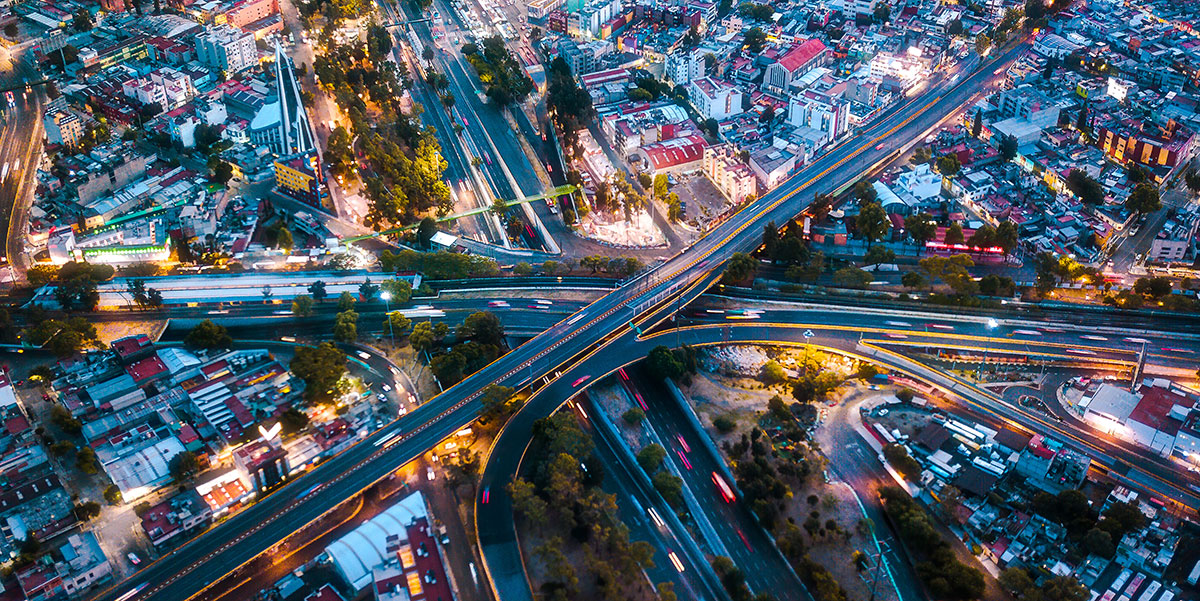
Living in Mexico City, I’ve experienced firsthand the challenges of urban life—traffic jams that seem endless, crowded public transportation, and the constant hustle of a city that never stops. As someone involved in entrepreneurship, real estate development, and community-focused projects, I’ve come to realize that the way we move around our cities isn’t just a convenience issue—it’s a core part of shaping the cities of the future.
Mobility is no longer just about getting from point A to point B. It’s about connectivity, sustainability, and creating urban environments that improve the quality of life for everyone. Over the years, I’ve become fascinated by innovative mobility solutions and smart city development, because they combine technology, design, and community in ways that have the potential to transform our everyday lives.
The Power of Community-Focused Mobility
One of the projects I’ve been involved in is UMD, a taxi app designed with the community in mind. Unlike traditional ride-sharing apps, our focus was on improving accessibility, safety, and economic opportunity for drivers while offering a reliable service to riders. It taught me that mobility solutions aren’t just about the vehicles themselves—they’re about people, connections, and trust.
Urban mobility works best when it’s designed with the community at its center. Apps, platforms, and services should respond to the real needs of citizens, not just optimize profit or efficiency. Whether it’s connecting underserved neighborhoods to job centers, reducing commute times, or offering flexible transportation options, the goal should always be to make cities more livable and equitable.
Integrating Technology for Smarter Cities
Technology plays a massive role in transforming urban mobility. From real-time traffic management systems to AI-driven public transit scheduling, the potential for smarter cities is enormous. I’ve been following trends like autonomous vehicles, smart traffic lights, and integrated mobility platforms that allow people to plan trips across bikes, buses, and shared vehicles with a single app.
The key, I believe, is integration. It’s not enough to develop one solution in isolation—cities need platforms that connect services seamlessly. When mobility data is combined with urban planning, it can help reduce congestion, lower emissions, and even shape the design of neighborhoods. It’s exciting to imagine a city where commuting is efficient, predictable, and environmentally friendly, all while empowering citizens with information and options.
Sustainability as a Core Principle
One of the biggest challenges in urban mobility is sustainability. Cities account for a huge portion of global carbon emissions, and transportation is a major contributor. Electric vehicles, bike-sharing programs, and pedestrian-friendly infrastructure are all part of the solution, but so is rethinking how we live and work. Encouraging mixed-use neighborhoods, remote work options, and decentralized services can reduce unnecessary travel and make cities more human-centered.
I’ve noticed that sustainability isn’t just about technology—it’s about culture. Cities that prioritize green spaces, walkability, and public transit options foster healthier lifestyles and communities. When planning mobility solutions, I always ask: how does this impact people’s daily lives? How can we reduce environmental impact while still making urban mobility efficient and convenient?
The Role of Real Estate and Urban Planning
As someone with a background in real estate development, I’ve seen firsthand how mobility and urban planning are intertwined. A well-designed neighborhood isn’t just about beautiful buildings—it’s about how people interact with their environment. Proximity to public transit, pedestrian pathways, and accessible community hubs all play a huge role in creating vibrant, functional spaces.
Integrating smart mobility solutions into real estate development is an exciting frontier. Developers can now plan projects that anticipate electric vehicle charging stations, bike lanes, or micro-mobility hubs. This not only enhances the value of properties but also contributes to more sustainable, connected communities. In many ways, mobility is the lifeblood of a city, and thoughtful planning can make it pulse efficiently.
Looking Ahead: A Personal Perspective
For me, working at the intersection of technology, real estate, and community projects has reinforced a simple idea: cities should serve the people who live in them, not the other way around. Innovative mobility solutions and smart city development are tools to achieve this goal. They allow us to rethink how we move, interact, and experience urban life.
I’m particularly excited about the potential of data-driven solutions combined with a human-centered approach. By listening to citizens, analyzing patterns, and integrating technology thoughtfully, we can build cities that are more efficient, sustainable, and enjoyable. And while the challenges are enormous—from traffic congestion to environmental pressures—the opportunities are even greater.
Ultimately, reimagining urban mobility isn’t just about cars, buses, or bikes. It’s about creating cities that empower people, foster community, and respect the environment. As someone who has been involved in both technology and real estate, I see the promise of smarter, more connected cities as one of the most exciting frontiers for innovation today. And if we get it right, future generations won’t just move through their cities—they’ll thrive in them.